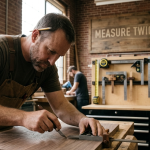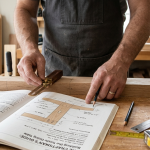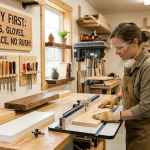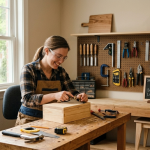
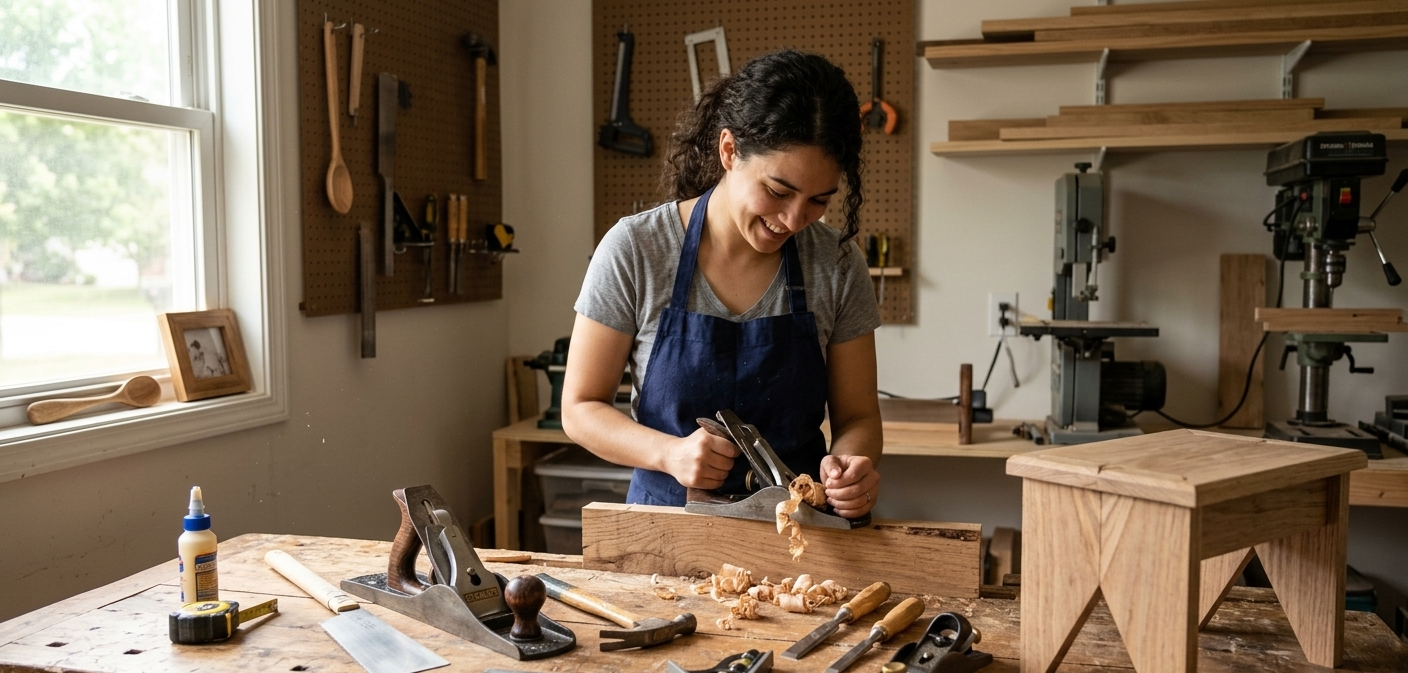
Woodworking is a rewarding skill that allows you to create furniture, home décor, and useful household items from wood. However, every successful woodworking project starts with the right tools. For beginners, having essential woodworking tools in a workshop makes it easier to work accurately, safely, and efficiently.
You do not need a large professional workshop to begin woodworking. With a few basic tools, beginners can complete many simple woodworking projects while gradually improving their skills.
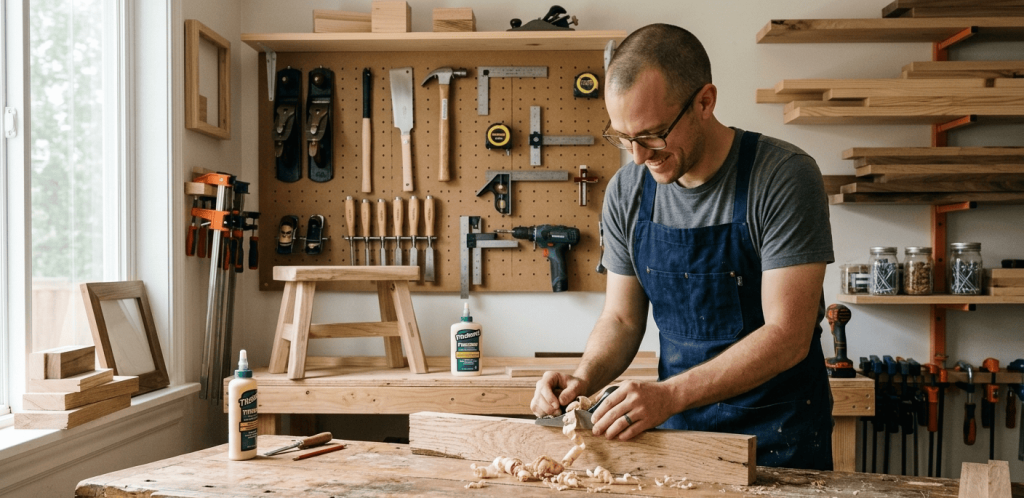
Why the Right Woodworking Tools Matter
Using proper woodworking tools helps beginners produce better results and avoid mistakes. Accurate measuring tools ensure precise cuts, while quality cutting tools make woodworking safer and more efficient.
Essential woodworking tools help beginners:
- Measure and mark wood accurately
- Cut wood pieces properly
- Assemble woodworking projects securely
- Smooth surfaces for professional results
- Improve efficiency in the workshop
Investing in the right woodworking tools is one of the most important steps when starting a woodworking hobby.
Essential Woodworking Tools Every Beginner Needs
Measuring Tape
A measuring tape is one of the most important woodworking tools in any workshop. Accurate measurements are essential for successful woodworking projects.
Beginners should always remember the golden rule of woodworking: measure twice, cut once.
Carpenter Square
A carpenter square helps ensure that wood pieces are cut at perfect right angles. This woodworking tool is essential for building furniture, shelves, and frames.
Hand Saw
A hand saw is a fundamental woodworking tool for cutting wood manually. It is simple, affordable, and ideal for beginners learning basic woodworking skills.
Power Drill
A power drill is one of the most versatile woodworking tools. It allows you to drill holes and drive screws quickly when assembling woodworking projects.
Hammer
A hammer is a classic woodworking tool used for driving nails into wood. It is essential for many beginner woodworking projects.
Screwdriver Set
A screwdriver set is useful for assembling woodworking pieces with screws. Many woodworking projects require both flathead and Phillips screwdrivers.
Clamps
Clamps are extremely helpful in woodworking workshops. They hold wood pieces firmly in place while cutting, drilling, or gluing.
Sandpaper or Electric Sander
Sanding tools are used to smooth wood surfaces and prepare them for finishing. Smooth surfaces make woodworking projects look more professional.
Workbench
A workbench is the central workspace in a woodworking workshop. It provides a stable surface for measuring, cutting, assembling, and sanding wood.
Safety Equipment
Safety should always be a priority in woodworking. Essential workshop safety equipment includes safety glasses, hearing protection, and dust masks.
Optional Woodworking Tools for Beginners
After gaining experience, beginners may want to expand their woodworking workshop with additional tools such as:
- Circular saw
- Jigsaw
- Random orbital sander
- Wood chisels
- Router
These tools allow woodworkers to create more advanced woodworking projects.
Tips for Setting Up a Beginner Woodworking Workshop
When starting a woodworking workshop at home, beginners should focus on organization and safety. Keep tools neatly arranged so they are easy to access during woodworking projects.
Make sure your workspace has good lighting and enough ventilation. A clean and organized woodworking workshop helps improve productivity and reduces accidents.
Additional Tip for Beginner Woodworkers
Starting a woodworking workshop does not mean you need to buy every tool at once. Beginners should focus on learning how to properly use a few essential woodworking tools before expanding their collection. As your woodworking skills improve, you will better understand which tools are most useful for your projects and gradually build a more complete workshop.
Conclusion
Starting woodworking does not require a large collection of expensive tools. With a few essential woodworking tools, beginners can complete many projects and gradually build their skills.
As your woodworking experience grows, you can expand your workshop with more advanced tools. The most important step is to start practicing and enjoy the creative process of woodworking.