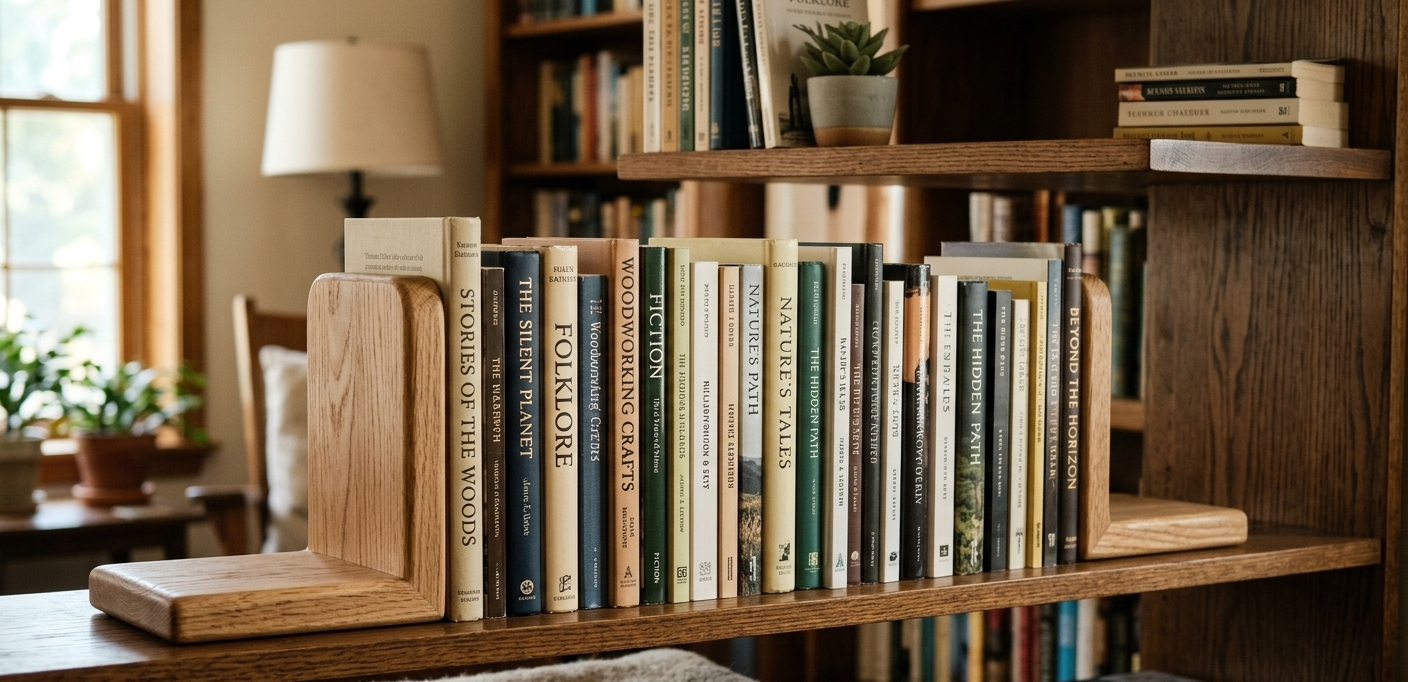
Woodworking is a rewarding and creative hobby that allows people to transform simple pieces of wood into functional and beautiful items. For beginners, woodworking may seem intimidating because of the variety of tools, materials, and techniques involved. However, the best way to start learning is by working on simple woodworking projects for beginners that focus on basic skills and achievable designs.
These beginner-friendly projects help you understand fundamental woodworking techniques such as measuring, cutting, sanding, and assembling wood pieces. They are designed to be simple enough for anyone to complete while teaching valuable woodworking experience. By completing several woodworking projects for beginners, you will gradually build confidence and develop skills needed for more advanced woodworking projects in the future.
This guide will explore numerous woodworking ideas that beginners can build at home using basic tools and materials, tips for success, common mistakes, and inspiration for your next projects.
In this guide, we will explore several easy woodworking ideas that beginners can build at home using basic tools and materials.
Why Woodworking Projects for Beginners Are a Great Start
Starting with simple woodworking projects for beginners allows you to learn the fundamentals without feeling overwhelmed. Many beginners make the mistake of attempting complicated furniture projects too early, which can result in frustration or wasted materials.
Simple projects help beginners focus on mastering essential woodworking skills step by step, such as making straight cuts, drilling accurate holes, and sanding surfaces smoothly. Each project builds confidence and prepares you for more advanced work.
Small projects also reduce the cost and risk of mistakes. If a project goes wrong, it is easier and cheaper to redo. This approach encourages experimentation and creativity without fear of failure, which is crucial for beginners.
Wooden Floating Shelf
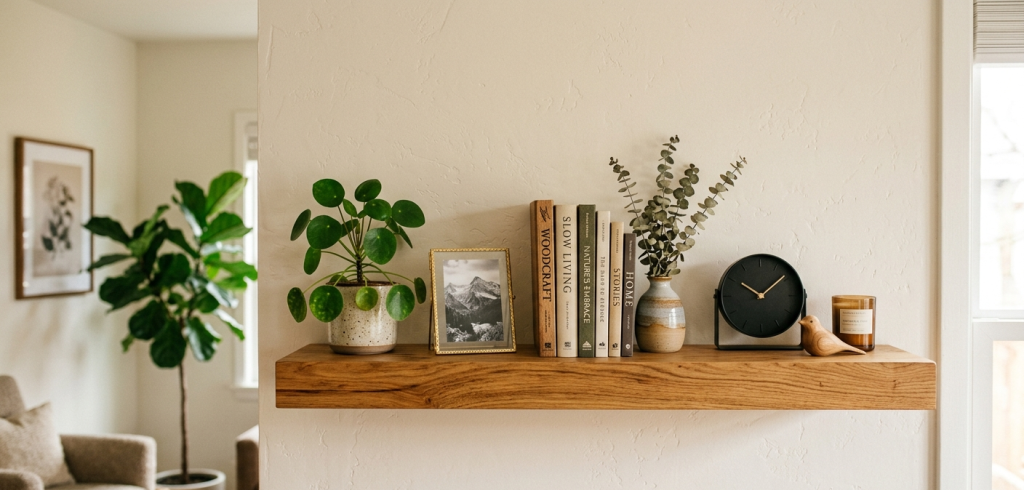
Floating shelves are highly practical and among the most popular woodworking projects for beginners. They involve cutting wooden boards, assembling, and mounting securely to a wall.
Floating shelves can be placed in kitchens, living rooms, bedrooms, or offices. They are perfect for displaying books, decorative items, or indoor plants. This project helps beginners learn accurate measurement, safe cutting, and wall-mounting techniques.
Pro Tips for Floating Shelves
- Use a level when installing the shelf to avoid slanted results.
- Pre-drill holes before screwing to prevent wood splitting.
- Sand the edges thoroughly for a smooth, professional finish.
Simple Wooden Stool
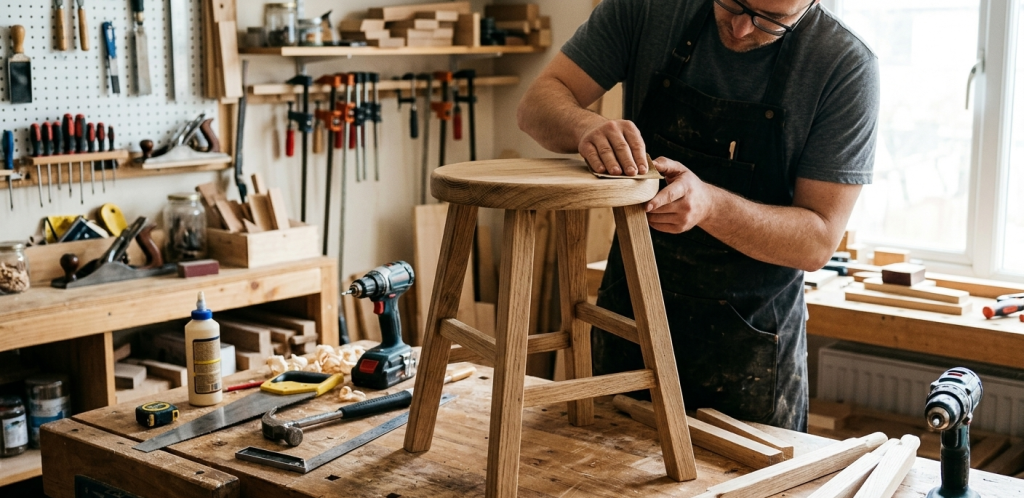
A small stool is another excellent woodworking project for beginners. It introduces basic woodworking joinery and structural stability.
- Use pine or another softwood to make cutting easier.
- Measure carefully to ensure all legs are equal in length.
- Test the stool’s stability before finishing it.
Once built, the stool can serve as a seat, a small side table, or even a plant stand.
Wooden Picture Frame
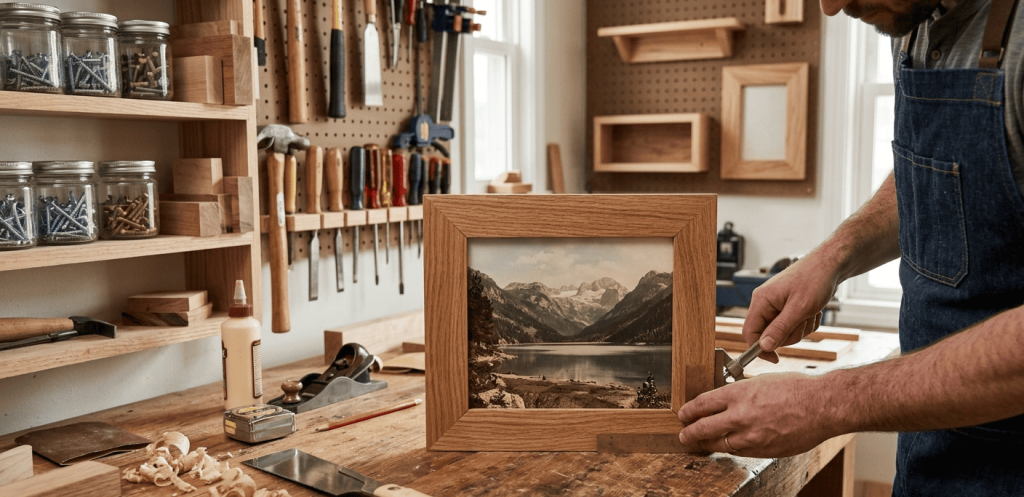
Picture frames are classic woodworking projects for beginners that teach precise cutting and assembly. Beginners learn to cut angles accurately and join frame corners neatly.
- Picture frames are inexpensive and practical for decorating your home.
- Start with simple rectangular frames.
- Experiment with staining, painting, or sealing the wood for a professional look.
Small Wooden Storage Box
A wooden storage box is functional and educational. This woodworking project for beginners teaches alignment, squareness, and assembling strong joints.
- Boxes can store tools, office supplies, or household items.
- Add handles or decorative edges for style.
- Use wood glue and clamps to ensure joints are secure.
Wooden Plant Stand
Plant stands are attractive and practical woodworking projects. Beginners can practice cutting and assembling wood for a stable structure.
- Add decorative finishes or carvings for a personalized touch.
- Experiment with height and width for various plant sizes.
- Sand thoroughly to prevent splinters.
Wooden Phone Holder
A phone holder is one of the quickest woodworking projects for beginners to complete. It requires only a small piece of wood and basic cutting skills.
Despite its simplicity, this project teaches beginners how to shape wood and smooth surfaces through sanding. A wooden phone holder is also a practical accessory for desks or bedside tables.
Wooden Serving Tray
A serving tray is another practical project that beginners can build easily. Many people include trays in their list of woodworking projects for beginners because they are simple yet highly functional.
A wooden tray can be used for serving drinks, organizing items on a table, or displaying decorative objects. Beginners can personalize their trays with different wood finishes or handles.
Wooden Wall Organizer
Wall organizers help keep desks or kitchens tidy. This woodworking project for beginners involves small shelves or compartments mounted on a wall.
- Use lightweight wood to make mounting easier.
- Add hooks for keys or utensils.
- Paint or stain for aesthetic appeal.
Wooden Key Holder
A key holder is a quick project to learn drilling and mounting small hooks. It can be customized with decorative elements.
- Drill evenly spaced holes for hooks.
- Sand edges for smoothness.
- Mount near entryways for practical use.
Wooden Laptop Stand
A laptop stand improves ergonomics and is a simple beginner project. It teaches angle cuts and joining pieces securely.
- Cut supports at a slight angle for better laptop positioning.
- Sand all surfaces to avoid scratches.
- Use softwood for easy cutting.
Wooden Jewelry Box
A jewelry box is a more detailed woodworking project for beginners. It introduces drawers and compartments in a small format.
- Practice making small precision cuts.
- Add hinges and latches for functionality.
- Finish with stain or paint for a professional look.
Wooden Coasters
Wooden coasters are perfect for practicing sanding and finishing small pieces of wood. They can be personalized with designs or engravings.
- Round or square shapes work well.
- Sand thoroughly and seal with wood finish.
- Coasters are quick projects suitable for beginners.
Wooden Candle Holder
Candle holders help beginners practice carving and shaping wood. They can be simple blocks or decorative designs.
- Ensure holes are deep enough for stability.
- Sand all edges to avoid splinters.
- Paint or stain to enhance appearance.
Wooden Bookshelf
A small bookshelf is a more ambitious woodworking project for beginners. It introduces shelving, weight distribution, and assembly skills.
- Use softwood boards for easier cutting.
- Measure spacing for each shelf accurately.
- Sand all surfaces and apply finish for durability.
Wooden Toolbox
A simple toolbox helps organize tools while practicing joinery. This woodworking project for beginners combines practicality and skill development.
- Include compartments for nails, screws, and small tools.
- Use wood glue and clamps for sturdy assembly.
- Apply finish to protect wood from wear.
Essential Tools for Woodworking Beginners
Before starting woodworking projects for beginners, it is important to prepare some essential tools. Fortunately, beginners do not need a large workshop or expensive equipment.
Some basic tools include:
- Measuring tape
- Hand saw or circular saw
- Power drill
- Clamps
- Sandpaper or electric sander
- Wood glue
- Safety glasses and gloves
These tools are enough to complete many simple woodworking projects for beginners safely and effectively.
Tips for Success with Woodworking Projects for Beginners
When working on woodworking projects for beginners, beginners should focus on patience and accuracy. Rushing through a project can lead to mistakes that affect the final result.
Here are some useful tips for beginners:
Measure carefully
Accurate measurements are essential in woodworking. A small error in measurement can affect the entire project.
Use proper sanding techniques
Sanding removes rough edges and improves the appearance of wooden surfaces.
Start with softwood materials
Softwoods such as pine are easier for beginners to cut and shape.
Practice safe woodworking habits
Always use safety equipment and follow proper tool handling procedures.
Following these tips will make your woodworking projects for beginners more enjoyable and successful.
Common Mistakes Beginners Should Avoid
While learning woodworking, beginners often make similar mistakes. Recognizing these mistakes can help you improve faster when working on woodworking projects for beginners.
Some common mistakes include:
- Incorrect measurements
- Using dull cutting tools
- Skipping sanding steps
- Not clamping wood pieces during assembly
- Applying too much glue
Learning from these mistakes will help you produce better woodworking results over time.
Maintaining Your Tools
Proper tool maintenance is essential:
- Keep blades sharp
- Clean tools after each use
- Store in a dry, organized space
- Oil moving parts of power tools
Well-maintained tools improve results and safety in woodworking projects for beginners.
Benefits of Starting Woodworking as a Hobby
Working on woodworking projects for beginners is not only about building useful items. Woodworking also provides many personal benefits. It encourages creativity, improves problem-solving skills, and allows people to create unique handmade objects.
Woodworking can also be relaxing and satisfying because it involves working with natural materials and using your hands to build something meaningful. Many beginners discover that completing small woodworking projects for beginners brings a sense of accomplishment and motivates them to continue learning new skills.Choosing the Right Wood for Beginner Projects
Selecting the right type of wood is an important step when working on woodworking projects for beginners. Different types of wood have different characteristics, and beginners should start with materials that are easier to cut, shape, and assemble.
Softwoods such as pine, cedar, and fir are often recommended for beginners because they are lightweight and easier to work with compared to hardwoods. These woods allow beginners to practice cutting and sanding without requiring advanced woodworking tools. Using softwood can make early woodworking projects for beginners much easier and more enjoyable.
Beginners should also pay attention to the condition of the wood they use. Try to choose boards that are straight, dry, and free from large cracks or knots. Good-quality materials make woodworking projects for beginners easier to assemble and produce better final results.
As your woodworking skills improve, you can start experimenting with hardwoods such as oak, maple, or walnut. These woods are stronger and more durable, making them ideal for more advanced woodworking projects.
FAQ
Q: What is the easiest woodworking project for beginners?
A: Simple items like floating shelves, wooden stools, picture frames, and coasters are perfect starter projects.
Q: Do beginners need expensive tools?
A: No. Basic tools like a hand saw, drill, tape measure, clamps, and sandpaper are sufficient.
Q: Can beginners work with hardwood?
A: It is recommended to start with softwood. Hardwoods can be attempted after gaining experience.
Q: How long does a beginner project take?
A: Small projects can take 1–3 hours. Larger projects like bookshelves may take a weekend
More Tips for Beginner Woodworkers
While completing woodworking projects for beginners, it’s important to develop good habits early. Beginners often rush through projects, which can lead to mistakes or safety issues. Here are some additional tips to help you improve your woodworking skills:
- Keep a project notebook – Write down measurements, tools used, and lessons learned. This will help you avoid repeating mistakes in future projects.
- Practice cutting on scrap wood – Before cutting your main pieces, use scrap pieces to practice accurate cuts.
- Plan your workflow – Organize your workspace and decide the order of steps to make the process smoother.
- Use clamps effectively – Clamps are essential for holding pieces together while glue dries or while you assemble a project.
- Finish gradually – Sand before painting, staining, or sealing. A proper finish makes your project look professional.
Beginner-Friendly Workshop Setup
Having a small, organized workspace makes woodworking projects for beginners more manageable and enjoyable. Here’s what you need:
- Work table or bench – A sturdy surface for cutting, assembling, and finishing projects.
- Good lighting – Proper lighting reduces mistakes and improves accuracy.
- Storage for tools and materials – Keep tools organized and wood stacked safely.
- Safety equipment – Always have gloves, goggles, and ear protection.
- Ventilation – Especially important when using stains, paints, or finishes.
A clean and organized workshop encourages efficiency and safety while working on projects.
Tips for Wood Finishing and Decoration
Finishing and decorating your projects improves both aesthetics and durability. For woodworking projects for beginners, start with simple finishing techniques:
- Sanding – Begin with coarse sandpaper and finish with fine grit for smooth surfaces.
- Staining – Enhances the natural wood grain; choose water-based stains for beginners.
- Sealing – Apply a protective coat of clear varnish or polyurethane to protect from moisture.
- Painting – Use a primer first to ensure even coverage, then paint in thin layers.
- Decorative touches – Engraving, wood burning, or simple carvings can add uniqueness.
These finishing tips allow beginners to take small projects like trays, coasters, or frames and make them look professional.
Additional Easy Woodworking Projects for Beginners
1. Wooden Wall Shelf with Hooks
- Combines storage with function.
- Hooks can hold keys, bags, or jackets.
- Teaches measuring, drilling, and wall mounting.
2. Wooden Magazine Rack
- Simple angled box design.
- Helps practice angled cuts and joining boards.
- Keeps living rooms tidy.
3. Wooden Desk Organizer
- Small compartments for pens, notebooks, and accessories.
- Great for sanding, drilling, and gluing practice.
4. Wooden Tray Table
- Slightly larger project, introduces folding legs or raised edges.
- Beginner can practice stability and support techniques.
5. Wooden Birdhouse
- Fun beginner project that encourages creativity.
- Teaches cutting, assembly, and decorative finishing.
Common Mistakes and How to Fix Them
Even experienced woodworkers occasionally make mistakes. For beginners, knowing how to correct errors is crucial. Some common issues include:
- Uneven cuts – Use clamps and guide blocks to improve accuracy.
- Glue seeping out – Wipe immediately and clamp pieces correctly.
- Rough edges – Sand progressively with finer grit sandpaper.
- Splintering – Pre-drill holes and cut slowly on hardwoods.
- Incorrect measurements – Always double-check measurements before cutting.
The Benefits of Woodworking Beyond Projects
Working on woodworking projects for beginners is not just about building items—it has mental and emotional benefits:
- Stress relief – Focus on measuring, cutting, and assembling relaxes the mind.
- Boosts creativity – Designing and customizing projects fosters creative thinking.
- Problem-solving skills – Each project presents challenges that must be resolved.
- Sense of accomplishment – Completing a project provides satisfaction and motivates further learning.
- Family and community engagement – Many beginners enjoy building gifts or sharing projects with family.
Conclusion
tarting with simple woodworking projects for beginners is the best way to develop essential woodworking skills. Projects such as floating shelves, stools, picture frames, storage boxes, and small trays provide practical experience while helping beginners build confidence in their abilities. By focusing on manageable projects first, you can avoid frustration and enjoy the process of creating something tangible with your own hands.
As you complete more woodworking projects for beginners, you will gradually gain the knowledge, skills, and experience needed to take on more advanced woodworking designs. Each project teaches new techniques, improves precision, and strengthens your problem-solving abilities. Over time, these skills will allow you to tackle larger furniture projects, DIY home improvement items, and even creative decorative pieces.
Woodworking is not just about building objects—it also encourages creativity, patience, and attention to detail. Beginners who practice regularly often find that woodworking becomes a relaxing and rewarding hobby. Whether you are creating something practical or artistic, the satisfaction of finishing a project with your own hands is unmatched.
Remember that mistakes are part of learning. Every slip, miscut, or uneven edge is an opportunity to improve. By keeping a positive mindset and continuing to experiment with new projects, beginners can gradually transform from novices into skilled woodworkers capable of creating beautiful, functional pieces for their home, gifts for friends and family, or even items to sell.
Finally, embrace the process and enjoy the journey. Woodworking allows you to connect with natural materials, learn valuable life skills, and gain a sense of accomplishment from tangible results. Starting small and consistently building your skills through woodworking projects for beginners is the foundation for a lifetime of creativity, craftsmanship, and satisfaction in the art of woodworking.