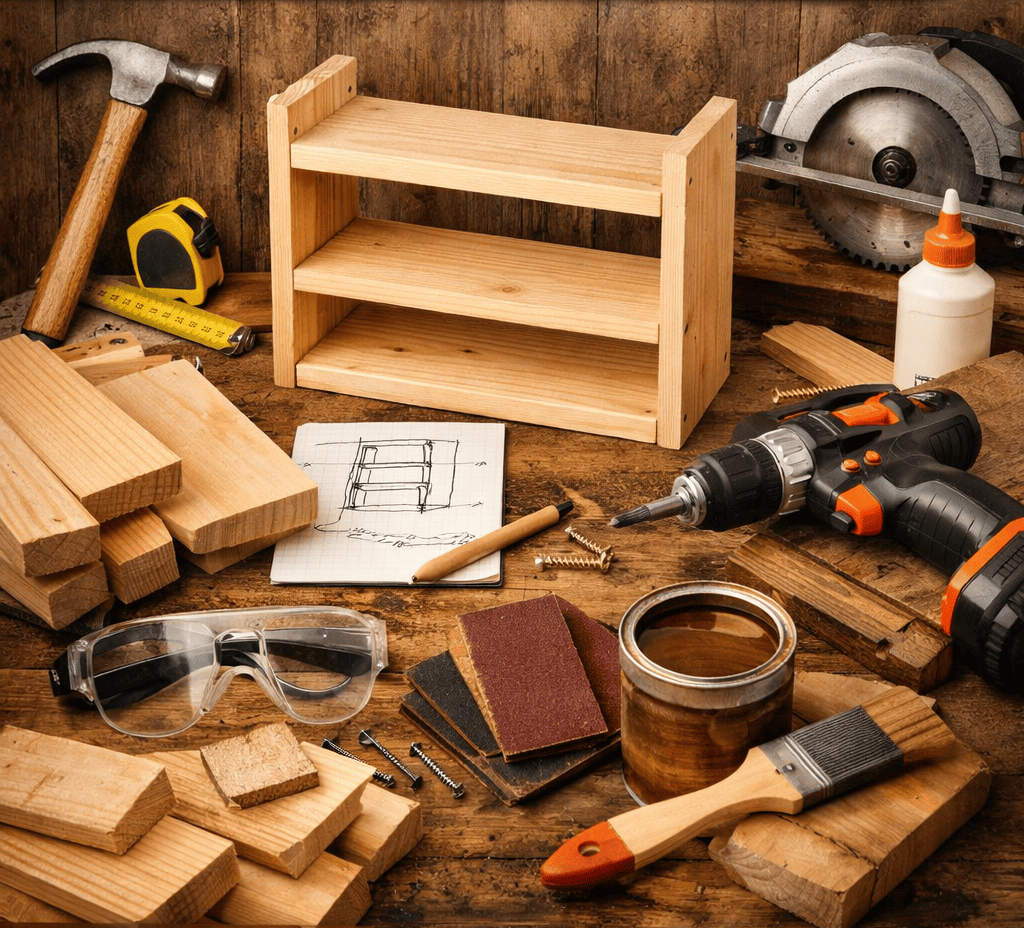
Woodworking for beginners is one of the most rewarding and practical skills a person can learn. It allows you to turn simple pieces of wood into useful objects, decorative items, and even beautiful furniture. For many people, woodworking starts as a hobby but eventually becomes a passion or even a small business.
In today’s digital world, many hobbies involve screens and technology. Woodworking offers something different. It gives you the opportunity to work with your hands, create something physical, and see the results of your effort in a tangible form.
Whether you want to build furniture for your home, create handmade gifts, or simply learn a new craft, woodworking is a fantastic skill to develop. Woodworking for beginners does not require expensive tools or professional training. With the right guidance and simple projects, anyone can begin learning woodworking from home.
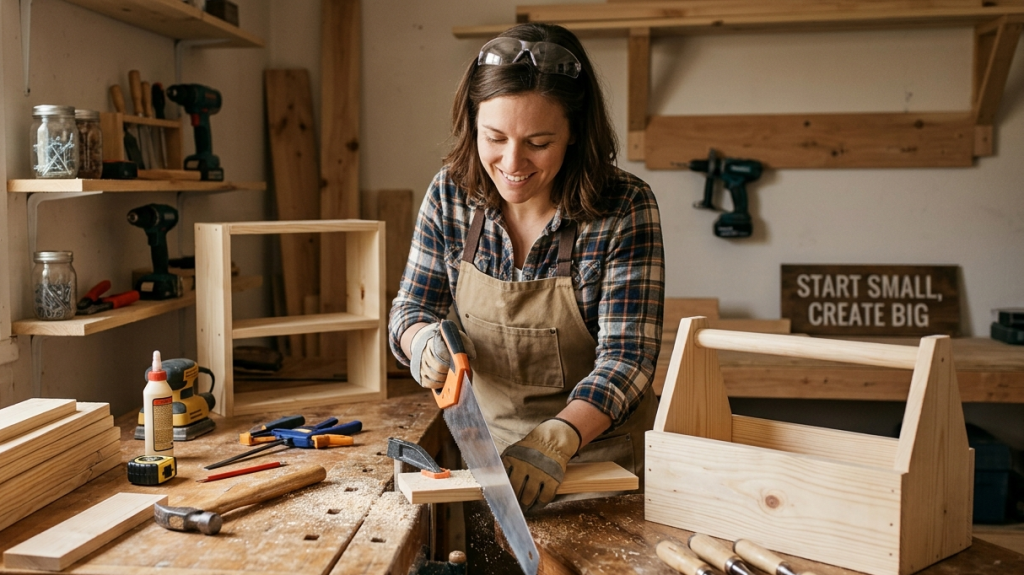
However, beginners often feel overwhelmed when they first consider woodworking. They imagine large workshops, expensive tools, and complicated techniques.
The truth is much simpler. Anyone can start woodworking with basic tools, simple materials, and beginner-friendly projects.
As you embark on your journey into woodworking for beginners, remember that resources and communities are available to support you every step of the way.
The key to success is starting small and learning step by step. As you gain experience, you will naturally become more comfortable with tools, materials, and techniques. This guide will walk you through everything you need to know to begin woodworking as a beginner.
You will learn about the different types of wood, essential tools, safety practices, workspace setup, beginner techniques, and a detailed step-by-step process for completing your first woodworking project. By the end of this guide, you will have the knowledge and confidence needed to begin your woodworking journey. For anyone interested in woodworking for beginners, the most important step is simply getting started. Many people delay learning woodworking because they think the process is complicated, but woodworking for beginners can actually begin with simple tools and small projects that build confidence over time.
Why Woodworking for Beginners Is a Great Hobby
Woodworking for beginners is one of the most accessible hobbies people can start today because it requires only basic tools and simple materials. Woodworking has been practiced for thousands of years and continues to be popular around the world. One of the main reasons for its popularity is that woodworking combines creativity, craftsmanship, and practicality. One of the greatest benefits of woodworking is the sense of accomplishment it provides. When you build something with your own hands, the final result feels much more meaningful than buying a product from a store. Every time you use or see the object you created, you will remember the effort and creativity that went into making it.
Another advantage of woodworking is that it teaches valuable practical skills. Learning how to measure, cut, drill, assemble, and finish wood can help you complete home improvement projects and repairs around the house. Woodworking also encourages creativity. Even when following a project plan, you can personalize your work by choosing different wood types, finishes, shapes, and sizes. Over time, you may even start designing your own projects from scratch.
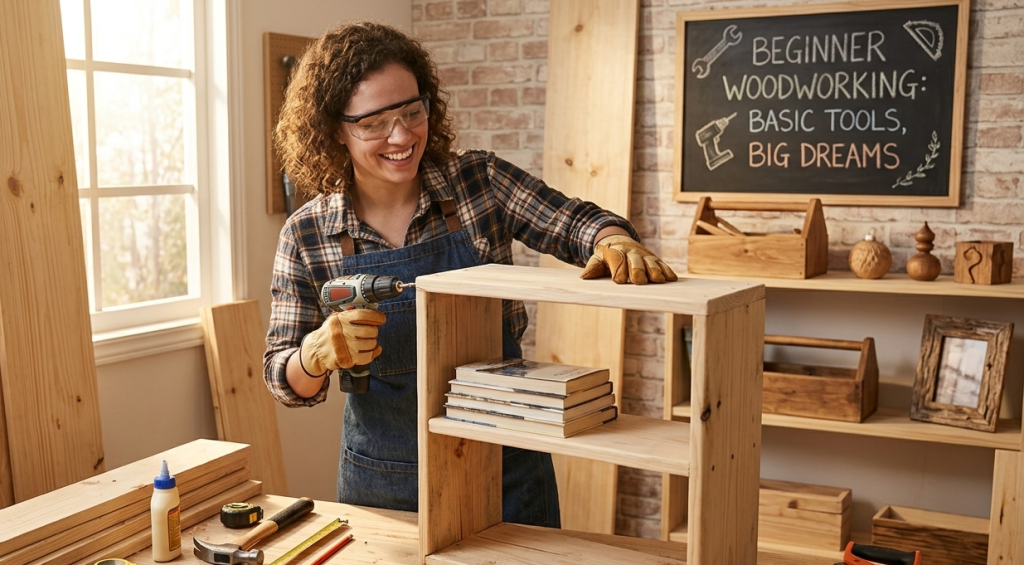
Many people also find woodworking relaxing and therapeutic. The process requires focus and patience, which can help reduce stress and improve mental well-being. Working with natural materials like wood often creates a calming and satisfying experience. Another benefit is that woodworking can save money. Instead of buying expensive furniture or decorative items, you can build them yourself at a lower cost. This is especially useful if you enjoy customizing your home.
Finally, woodworking has the potential to generate income. Many hobbyists eventually start selling handmade wooden products such as cutting boards, shelves, small tables, and home décor items. With dedication and practice, woodworking can become a profitable side business.
Understanding Different Types of Wood
Before starting your first woodworking project, it is important to understand the different types of wood used in woodworking. Each type has unique characteristics that affect how it looks, feels, and performs. The three main categories of wood used in woodworking are hardwood, softwood, and engineered wood.
Hardwood comes from deciduous trees, which are trees that lose their leaves every year. These woods are generally strong, dense, and durable. Hardwood is often used for furniture, flooring, cabinets, and decorative items.
Common hardwood species include oak, maple, walnut, cherry, and mahogany. Hardwood often features beautiful grain patterns that enhance the appearance of finished projects. However, hardwood can be more expensive than other types of wood and may require more effort to cut and shape. Beginners often start with softer woods before moving to hardwood.
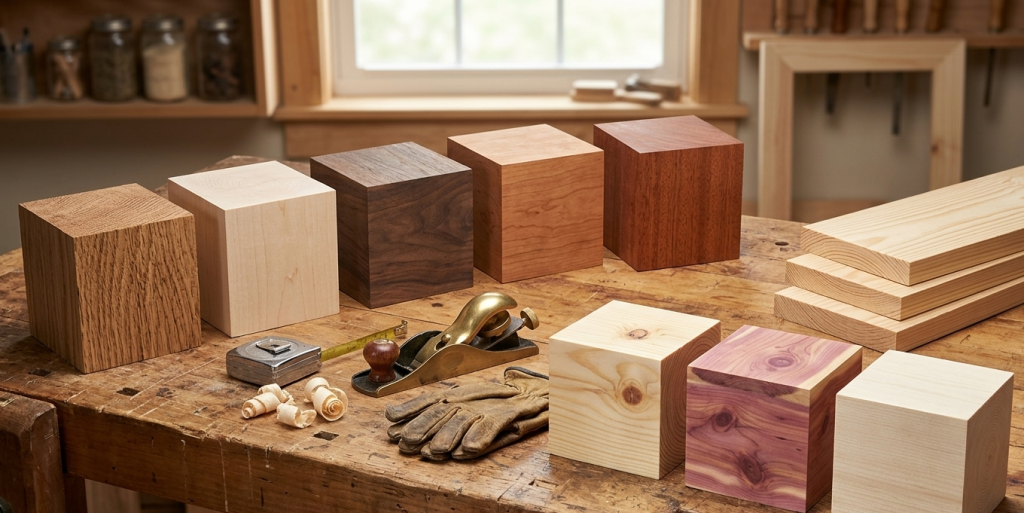
Softwood comes from coniferous trees such as pine, cedar, and spruce. These trees grow faster than hardwood trees, which makes softwood more widely available and affordable. Softwood is usually easier to cut, drill, and sand, making it an excellent choice for beginner projects. Pine is one of the most commonly used softwoods because it is inexpensive and easy to work with.
Engineered wood products are manufactured materials made from wood fibers, particles, or thin layers of wood bonded together with adhesives. These products are widely used in construction and furniture making. Examples include plywood, medium-density fiberboard (MDF), and particle board. Engineered wood is often more stable and less expensive than solid wood, making it useful for cabinets, shelves, and interior furniture. Understanding these different materials will help you choose the right wood for your projects as you develop your woodworking skills.
For people exploring woodworking for beginners, learning about wood characteristics helps prevent many common mistakes. Different woods respond differently to cutting, sanding, and finishing, which is why understanding materials is a key step in mastering woodworking for beginners.
Choosing the right wood is one of the most important decisions beginners make when starting their first woodworking project. Different types of wood behave differently when they are cut, sanded, drilled, or finished. For someone who is just learning woodworking, selecting a beginner-friendly material can make the entire process much easier. Softwoods such as pine, cedar, and fir are often recommended for beginners. These woods are easier to cut and shape compared to dense hardwoods. Pine is especially popular because it is widely available, affordable, and forgiving when mistakes happen.
Another factor to consider is the wood grain. Wood grain refers to the natural pattern and direction of fibers inside the wood. Straight grain is usually easier for beginners to work with because it cuts and sands more smoothly. Moisture content is also important when choosing wood. Wood that contains too much moisture can warp, twist, or crack after a project is finished. That is why kiln-dried lumber is typically preferred for woodworking projects. By choosing the right type of wood at the beginning, beginners can avoid unnecessary frustration and focus on learning essential woodworking techniques. For people learning woodworking for beginners, understanding wood types is an essential step before starting any project.
Choosing the Right Wood for Your First Project
Choosing the right wood is one of the most important decisions beginners make when starting their first woodworking project. Different types of wood behave differently when they are cut, sanded, drilled, or finished. For someone who is just learning woodworking, selecting a beginner-friendly material can make the entire process much easier.
Softwoods such as pine, cedar, and fir are often recommended for beginners. These woods are easier to cut and shape compared to dense hardwoods. Pine is especially popular because it is widely available, affordable, and forgiving when mistakes happen. Another factor to consider is the wood grain. Wood grain refers to the natural pattern and direction of fibers inside the wood. Straight grain is usually easier for beginners to work with because it cuts and sands more smoothly.
Moisture content is also important when choosing wood. Wood that contains too much moisture can warp, twist, or crack after a project is finished. That is why kiln-dried lumber is typically preferred for woodworking projects. By choosing the right type of wood at the beginning, beginners can avoid unnecessary frustration and focus on learning essential woodworking techniques.
Essential Woodworking Tools for Beginners
When starting woodworking for beginners, it is important to focus on a few essential tools rather than buying expensive equipment immediately. Many beginners believe they need a large collection of expensive tools to start woodworking. In reality, you can complete many beginner projects with a small set of basic tools.
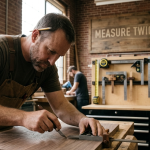
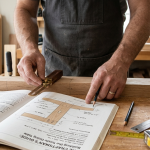
The first category of tools includes measuring and marking tools. Accurate measurements are essential in woodworking because even small mistakes can affect the entire project. A tape measure is one of the most important tools you will own. A combination square helps ensure straight lines and accurate angles. A carpenter’s pencil is used to mark measurements and cutting lines on wood surfaces.
As beginners continue learning woodworking for beginners, they often realize that mastering a few basic tools is more important than owning many expensive ones. Most woodworking for beginners projects can be completed successfully with only a small set of reliable tools.
Cutting tools are another essential part of woodworking. A hand saw is one of the most basic and affordable tools for beginners. It allows you to make straight cuts in wood boards. As you gain experience, you may choose to use power tools such as a circular saw or jigsaw to speed up the cutting process.
A drill is another extremely useful tool for woodworking. A cordless drill allows you to create holes and drive screws quickly and efficiently. This tool is essential for assembling many woodworking projects. Assembly tools are used to connect pieces of wood together. A hammer is useful for driving nails into wood. Screwdrivers help tighten screws during assembly. Clamps are especially important because they hold pieces of wood firmly in place while glue dries.
Sanding tools are used to smooth wood surfaces and remove rough edges. Sandpaper is available in different grit levels ranging from coarse to fine. A sanding block helps apply even pressure while sanding surfaces. Some beginners also use an orbital sander to make the sanding process faster. With these basic tools, beginners can successfully complete many woodworking projects without needing a full workshop.
Safety Tips Every Beginner Should Follow
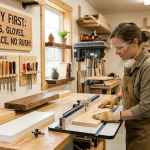
Safety is especially important in woodworking for beginners because new woodworkers are still learning how to handle tools properly.Safety is one of the most important aspects of woodworking. Even simple tools can cause injuries if they are used incorrectly. Following basic safety practices will help you work more confidently and avoid accidents. Always wear appropriate protective equipment when working with tools. Safety glasses protect your eyes from flying wood chips and dust. A dust mask helps prevent inhalation of fine particles created during cutting or sanding. Ear protection is also recommended when using loud power tools.
Keep your workspace clean and organized. Wood scraps, tools, and dust can create hazards if they are left scattered around your work area. Always secure wood properly before cutting or drilling. Never attempt to cut wood while holding it in your hands. Use clamps or a workbench to hold the material firmly in place. Work slowly and carefully. Rushing through a project often leads to mistakes and accidents. Take your time to measure accurately and handle tools with control.
Finally, take time to learn how each tool works before using it. Reading instructions and practicing on scrap wood can help you gain confidence safely.
Setting Up a Beginner Woodworking Workspace
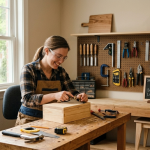
You do not need a large or expensive workshop to start woodworking. Many beginners successfully build projects in small spaces such as garages, balconies, or outdoor patios. The most important element of your workspace is a sturdy work surface. A strong table or workbench provides a stable area for measuring, cutting, and assembling wood pieces.
Good lighting is also essential. Proper lighting helps you see measurement lines clearly and perform detailed work accurately. Ventilation is another important factor. Cutting and sanding wood produces dust that can accumulate in enclosed spaces. Good airflow helps maintain a safe and comfortable working environment.
Creating a comfortable workspace is an important part of woodworking for beginners. Even a small and simple workspace can be effective for woodworking for beginners as long as it provides a stable work surface, good lighting, and proper ventilation.
Organizing your tools can also improve efficiency. Storing tools in a toolbox, shelves, or wall-mounted racks makes them easier to find and keeps your workspace tidy.
Step-by-Step Guide to Your First Woodworking Project
One of the best ways to learn woodworking for beginners is by completing simple projects step by step. Now that you understand the basic tools and materials, it is time to build your first woodworking project. A simple wooden shelf is one of the best beginner projects because it requires only a few materials and basic techniques.
Step 1: Choose a simple design
Start with a simple design that includes only a few pieces of wood. A basic shelf usually consists of one wooden board and two support brackets.
Step 2: Measure and plan
Carefully measure the desired length and depth of the shelf. Mark the cutting lines clearly using a pencil and square. Planning ahead helps prevent mistakes and ensures that all pieces fit together correctly.
Step 3: Cut the wood
Use a saw to cut the wooden board according to the marked measurements. Secure the wood using clamps before cutting. Cut slowly and follow the line carefully to achieve a straight edge.
Step 4: Sand the surface
After cutting the wood, sand the edges and surfaces to remove rough spots and splinters. Begin with medium-grit sandpaper and finish with fine-grit sandpaper for a smooth surface.
Step 5: Assemble the shelf
Attach the brackets to the wall or supporting structure. Place the shelf board on top and secure it using screws. Use a level tool to ensure the shelf is perfectly horizontal.
Step 6: Apply a wood finish
Applying a finish protects the wood and improves its appearance. Wood stain can enhance the natural color and grain of the wood. Varnish or polyurethane adds a protective coating that improves durability. Allow the finish to dry completely before using the shelf.
Beginner Woodworking Projects to Try Next
As you continue practicing woodworking for beginners, you will discover many simple projects that help improve your skills. After completing your first project, you can try additional beginner-friendly projects to continue improving your skills. A wooden cutting board is a great project for learning sanding and finishing techniques. A small wooden stool helps beginners learn structural assembly and weight support.
Picture frames allow you to practice accurate cutting and corner joints. Planter boxes are simple outdoor projects that add beauty to gardens or balconies. A wooden phone stand is another quick and practical project that requires minimal materials.
Basic Woodworking Techniques Beginners Should Learn
As you continue building projects, you will gradually learn essential woodworking techniques. Wood joinery is the method used to connect pieces of wood. Simple joints include butt joints, lap joints, and pocket hole joints.
Drilling pilot holes before inserting screws helps prevent wood from splitting. Wood glue can create strong bonds when applied properly and used together with clamps. Surface preparation and sanding ensure that the final product looks smooth and professional.
As people gain experience in woodworking for beginners, they begin to understand how important basic techniques are for producing strong and durable projects. Practicing these techniques regularly helps beginners progress faster in woodworking for beginners.
Common Mistakes Beginners Should Avoid
Many beginners encounter similar challenges when learning woodworking. Skipping the planning stage is one of the most common mistakes. Accurate measurements and careful planning are essential for successful projects. Using dull tools can create rough cuts and increase the risk of accidents. Ignoring wood grain direction may cause splintering or rough surfaces. Applying too much glue can create messy joints that require extra sanding. Finally, rushing through a project often leads to mistakes and poor results.
Improving Your Woodworking Skills
People who start with woodworking for beginners often find that their skills improve quickly with consistent practice. The best way to improve your woodworking skills is through consistent practice. Each project helps you gain more experience and confidence using tools.
Studying woodworking plans and tutorials can also help you understand new techniques. As your skills grow, you may experiment with advanced joinery methods such as dovetail joints and mortise-and-tenon joints. Gradually investing in better tools can also improve the precision and efficiency of your work.
Budget Tips for Beginner Woodworkers
- Starting woodworking does not need to be expensive.
- Buying second-hand tools can save a significant amount of money.
- Using reclaimed wood from old furniture or construction materials is another way to reduce costs.
- Starting with small projects allows you to learn while minimizing material expenses.
Turning Woodworking Into a Side Business
Many people who begin with woodworking for beginners eventually develop enough skill to sell handmade wooden products. Many hobbyists eventually turn their woodworking skills into a side business. Handmade wooden products are popular because they offer uniqueness and craftsmanship that mass-produced items often lack.
Popular items sold by beginner woodworkers include cutting boards, shelves, decorative signs, small tables, and plant stands. Online marketplaces and social media platforms make it easier than ever to showcase your work and reach potential customers. With dedication and creativity, woodworking can become a profitable side income.
Frequently Asked Questions About Woodworking for Beginners
Is woodworking for beginners difficult to learn?
Many people assume that woodworking for beginners is difficult, but the truth is that it can be surprisingly simple when you start with the right projects. Woodworking for beginners focuses on learning basic tools, simple cuts, and safe techniques before moving to more complex designs.
What tools are needed for woodworking for beginners?
The good news is that woodworking for beginners does not require a large collection of tools. Most woodworking for beginners projects can be completed using basic tools such as a tape measure, hand saw, drill, clamps, and sandpaper.
How long does it take to learn woodworking for beginners?
The learning speed depends on practice and dedication. However, many people who start woodworking for beginners can complete their first simple project within a few days. As you continue practicing woodworking for beginners, your skills will naturally improve.
What is the best project to start woodworking for beginners?
Some of the best projects for woodworking for beginners include small shelves, cutting boards, wooden boxes, and simple stools. These projects allow beginners to practice measuring, cutting, sanding, and assembling wood pieces.
Can woodworking for beginners become a business?
Yes, many people who begin with woodworking for beginners eventually develop enough skills to sell handmade wooden products. Items such as cutting boards, shelves, and home décor pieces are popular products created through woodworking for beginners.
Final Thoughts
Woodworking is a rewarding and practical skill that anyone can learn. By starting with simple tools, basic techniques, and beginner-friendly projects, you can gradually build confidence and experience. Your first project does not need to be perfect. The goal is to learn the process and understand how wood behaves when it is cut, shaped, and assembled. Many people who begin woodworking for beginners are surprised at how quickly their confidence grows after completing a few simple projects. With patience and practice, woodworking for beginners becomes easier and more enjoyable over time.
Over time, your skills will improve and your projects will become more complex and refined. Whether you pursue woodworking as a relaxing hobby, a useful home improvement skill, or a business opportunity, the journey begins with your first project. Pick up your tools, choose a simple design, and start building today. Your woodworking journey begins with a single piece of wood. Woodworking for beginners is a journey that starts with simple projects and grows into a lifelong skill.