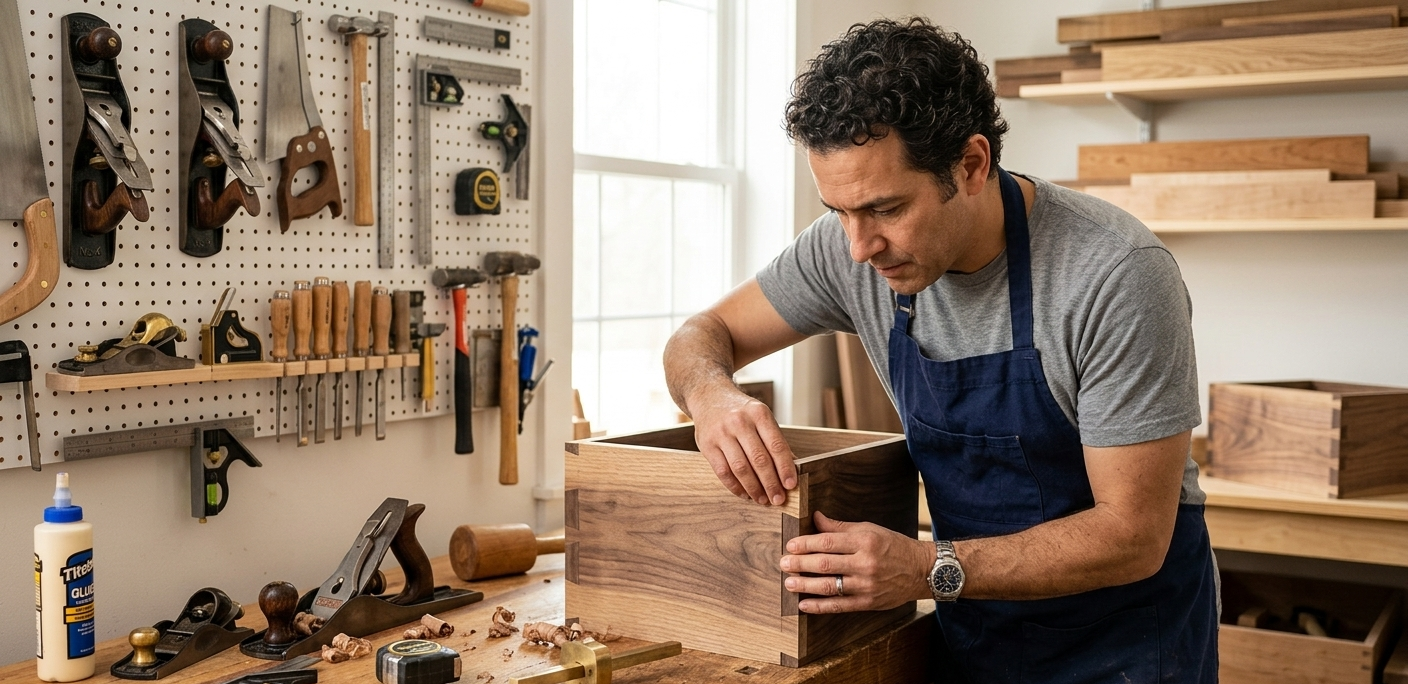
Woodworking is one of the most rewarding skills you can learn. It allows you to create useful items, express your creativity, and even build a profitable side business. However, for beginners, getting started can feel overwhelming.
There are many tools to understand, techniques to master, and mistakes to avoid. Without proper guidance, beginners often waste materials, make inaccurate cuts, or feel frustrated with their progress.
The good news is that you don’t need years of experience to improve. By applying the right woodworking tips and tricks, you can work more efficiently, avoid common errors, and achieve better results from your very first project.
In this guide, you’ll discover practical, beginner-friendly tips that will help you build confidence and improve your woodworking skills step by step.
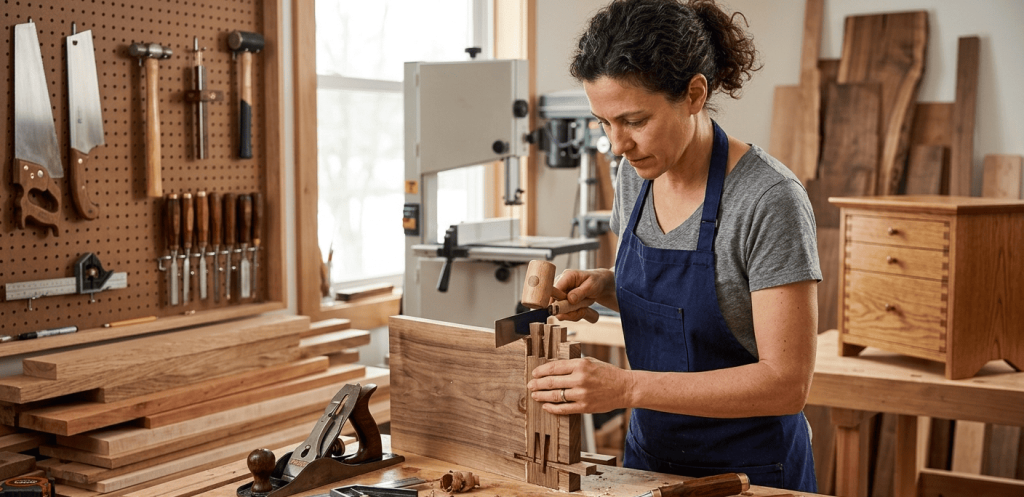
Essential Woodworking Tips for Beginners
1. Use the Right Tools for the Job
One of the most important woodworking tips is to always use the correct tools. Each tool is designed for a specific purpose, and using the wrong one can lead to poor results or even accidents.
For example, a dull saw can create rough cuts, while an improper drill bit may damage the wood. Investing in basic, high-quality tools like a saw, hammer, measuring tape, and drill will make a significant difference.
Using the right tools not only improves accuracy but also saves time and effort. It also makes the entire woodworking process more enjoyable and less stressful.
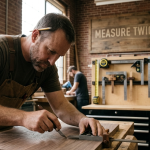
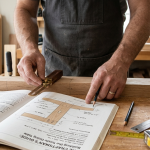
2. Measure Twice, Cut Once
Accuracy is everything in woodworking. A small mistake in measurement can ruin an entire project.
That’s why the rule “measure twice, cut once” is so important. Before making any cut, double-check your measurements carefully. This simple habit can save materials and prevent frustration.
Many experienced woodworkers rely on this principle every time they work. It may seem basic, but it is one of the most powerful habits you can develop.
3. Start with Simple Projects
Beginners often make the mistake of starting with complex projects. This can quickly lead to frustration and mistakes.
Instead, begin with simple projects such as:
- Small shelves
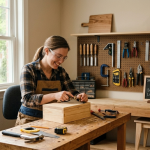
- Wooden boxes
- Basic tables
Simple projects help you understand the basics and build confidence. As your skills improve, you can gradually take on more advanced designs.
4. Choose the Right Type of Wood
Not all wood is the same. Some types are easier to work with, especially for beginners.
Softwoods like pine are more forgiving and easier to cut, while hardwoods like oak are stronger but more difficult to handle.
Choosing the right wood for your skill level can make your project much smoother and more successful.
5. Keep Your Tools Sharp
Sharp tools are essential for clean and precise cuts. Dull tools can damage the wood and increase the risk of accidents.
Make it a habit to regularly maintain and sharpen your tools. This will improve both the quality of your work and your safety.
6. Practice Patience
Woodworking is not something you should rush. Taking your time allows you to focus on details and avoid mistakes.
Patience is especially important when sanding, measuring, and assembling parts. The more careful you are, the better your final result will be.
Smart Woodworking Tricks to Save Time and Effort
1. Use Masking Tape to Prevent Tear-Out
When cutting wood, tear-out can ruin the edges of your material. A simple trick is to apply masking tape along the cut line.
This helps keep the wood fibers intact and results in a cleaner finish.
2. Use Scrap Wood for Practice
Before working on your main project, test your cuts and techniques on scrap wood.
This allows you to:
- Adjust your tools
- Practice your technique
- Avoid costly mistakes
3. Clamp Smarter, Not Harder
Clamps are essential in woodworking, but using them incorrectly can damage your material.
Instead of applying too much pressure, use just enough to hold the pieces firmly. You can also use scrap wood between the clamp and your project to prevent marks.
4. Mark Clearly and Accurately
Always use a pencil instead of a marker when marking measurements. Pencil marks are easier to remove and more precise.
Clear markings help you stay accurate throughout the entire process.
5. Sand in the Direction of the Grain
Sanding is an important step, but doing it incorrectly can leave scratches on the wood.
Always sand in the direction of the grain to achieve a smooth and professional finish.
Why Craftsmanship Matters in Woodworking
Craftsmanship is one of the most important aspects of woodworking. Good craftsmanship ensures that each project is not only visually appealing but also strong and long-lasting. High-quality woodworking is achieved through accurate measurements, proper cutting techniques, well-made joints, and careful finishing.
When beginners focus on improving craftsmanship, they can create projects that look more professional and function better in everyday use. Strong craftsmanship also reduces material waste and helps woodworkers complete projects more efficiently.
Practical Tips to Improve Your Woodworking Skills
Measure Carefully Before Cutting
Accurate measurements are essential for successful projects. Even small errors can affect the entire structure of a build. Always check your measurements twice before cutting materials to ensure each component fits perfectly.
Keep Your Tools Sharp and Well Maintained
Sharp tools produce cleaner cuts and make the process safer. Dull blades or chisels often cause rough edges and reduce accuracy. Regular maintenance keeps equipment performing at its best and improves overall efficiency in the workshop.
Select the Right Type of Wood
Different types of wood have different characteristics. Softwoods such as pine are easier to cut and shape, making them ideal for beginners. Hardwoods may offer durability and beauty but usually require more experience and stronger tools.
Choosing the right material will make your woodworking projects easier to complete and improve the final appearance.
Sand Surfaces Properly
Sanding plays a major role in achieving smooth and professional finishes. Start with coarse sandpaper to remove imperfections, then gradually move to finer grits. This process prepares the surface for painting, staining, or sealing.
Use Clamps for Stability
Clamps are extremely helpful when assembling pieces or applying glue. They hold materials firmly in place and prevent movement during the process. Stable components lead to stronger joints and better alignment.
Focus on Strong Joints
The strength of furniture and structures often depends on the joints. Beginners should practice basic joinery methods such as butt joints, lap joints, or pocket-hole connections. Well-made joints improve both durability and appearance.
Apply Finishing Techniques Carefully
Finishing protects the wood and highlights its natural beauty. Common finishing options include stain, varnish, natural oil, or paint. Applying thin, even coats and allowing enough drying time will produce better results.
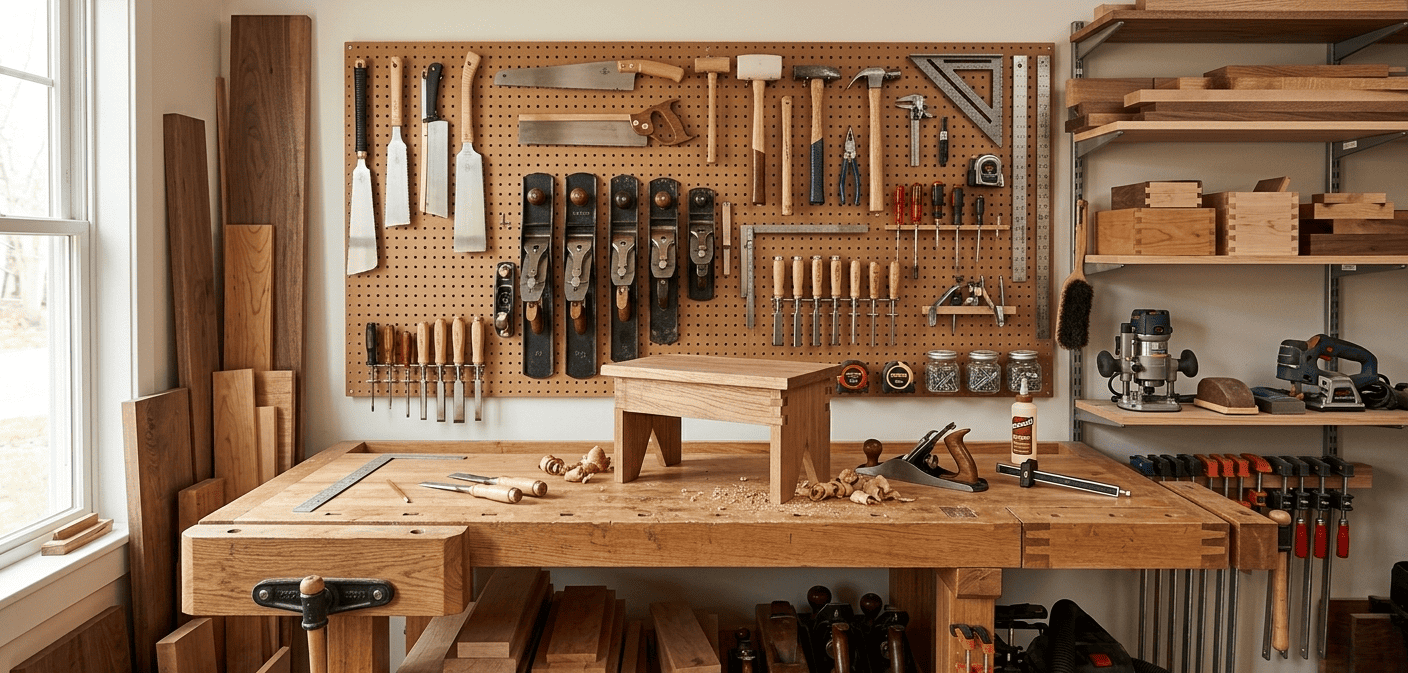
Maintain an Organized Workshop
An organized workspace improves productivity and safety. Keeping tools arranged and materials properly stored helps woodworkers focus on the task without unnecessary distractions.
Common Woodworking Mistakes to Avoid
1. Skipping the Planning Stage
Many beginners jump straight into cutting without a clear plan. This often leads to wasted materials and poor results.
Always take time to plan your project, including measurements and steps.
2. Ignoring Safety Measures
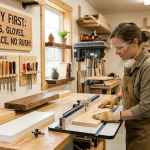
Safety should never be overlooked. Failing to wear protective gear can lead to serious injuries.
Always use:
- Safety glasses
- Gloves
- Dust masks
3. Using Dull Tools
As mentioned earlier, dull tools can cause inaccurate cuts and increase the risk of accidents.
Keeping your tools sharp is essential for both safety and quality.
4. Rushing the Process
Rushing often leads to mistakes. Take your time with each step, especially when measuring and cutting.
Essential Safety Tips in Woodworking
Safety is a critical part of woodworking. Even simple projects can become dangerous if proper precautions are not taken.
Always work in a clean and organized workspace. A cluttered area increases the risk of accidents.
Make sure your tools are in good condition and used correctly. Never operate tools if you are tired or distracted.
Additionally, keep your hands away from cutting areas and always focus on what you are doing.
Recommended Tools for Beginners
Starting with the right tools can make your woodworking journey much easier. Here are some essential tools every beginner should have:
- Measuring tape
- Hand saw
- Hammer
- Drill
- Clamps
- Sandpaper
These tools are enough to start basic projects and learn fundamental skills.
Frequently Asked Questions
What is the easiest woodworking project for beginners?
Simple projects like shelves, boxes, or small tables are great starting points.
What tools do I need to start woodworking?
Basic tools such as a saw, hammer, drill, and measuring tape are enough for beginners.
How can I improve my woodworking skills quickly?
Practice regularly, start with simple projects, and learn from mistakes.
Advanced Woodworking Techniques for Beginners
Once you understand the basics, the next step is improving your technique. Many beginners stay at the same level because they don’t push their skills further. By learning a few advanced fundamentals early, you can significantly improve the quality of your work.
Improve Your Cutting Accuracy
Accurate cutting is one of the most important skills in woodworking. Even a small deviation can affect how pieces fit together.
To improve your cutting accuracy:
- Use a guide or straight edge
- Mark your cutting lines clearly
- Take your time before making a cut
Practicing accurate cuts on scrap wood can help you build muscle memory. Over time, your cuts will become cleaner and more precise.
Learn Basic Joinery Techniques
Joinery is how pieces of wood are connected. Strong joints are essential for durable and long-lasting projects.
Some beginner-friendly joints include:
- Butt joints
- Lap joints
- Pocket hole joints
Each type of joint has its own strengths and weaknesses. Learning when to use each one will improve both the strength and appearance of your projects.
Focus on Finishing Techniques
Finishing is what makes your project look professional. Even a well-built project can look poor without proper finishing.
Common finishing steps include:
- Sanding the surface smoothly
- Applying wood stain
- Sealing with varnish or protective coating
Take your time during this stage. A good finish enhances the natural beauty of the wood and protects it from damage.
Woodworking Hacks That Professionals Use
Professional woodworkers often rely on small tricks to save time and improve results. These hacks can make a big difference, especially for beginners.
Use a Story Stick Instead of Measuring Repeatedly
Instead of measuring the same length multiple times, use a “story stick.” This is a piece of wood marked with your measurements.
It helps reduce errors and ensures consistency across your project.
Pre-Drill Holes to Prevent Cracking
When driving screws into wood, especially near the edges, the wood can crack.
To avoid this:
- Drill a small pilot hole first
- Then insert the screw
This simple trick improves accuracy and prevents damage.
Use Lighting to Spot Imperfections
Good lighting can reveal imperfections you might not notice otherwise.
Before finishing your project:
- Shine a light across the surface
- Look for scratches or uneven areas
Fixing these early will give you a smoother final result.
Keep a Clean Workspace
A clean workspace is not just about organization—it directly affects your work quality.
Benefits of a clean workspace:
- Reduces mistakes
- Improves safety
- Saves time
Make it a habit to clean as you go.
How to Choose the Right Wood for Different Projects
Choosing the right material is just as important as using the right tools.
Softwood vs Hardwood
Softwoods like pine:
- Easier to cut
- More affordable
- Ideal for beginners
Hardwoods like oak:
- Stronger and more durable
- More challenging to work with
Understanding the difference helps you select the right wood for each project.
Consider Wood Grain
Wood grain affects both the strength and appearance of your project.
Straight grain is easier to work with, while irregular grain can be more challenging but visually appealing.
Always align your cuts with the grain whenever possible.
Check for Moisture Content
Wood with high moisture can warp or crack over time.
Try to use properly dried wood for better results. This ensures your project remains stable and long-lasting.
How to Improve Your Woodworking Skills Faster
Improvement in woodworking comes from consistent practice and smart learning strategies.
Practice Regularly
The more you practice, the better you become. Even small projects can help you improve your skills.
Set aside time each week to work on something new.
Learn from Mistakes
Mistakes are part of the learning process. Instead of getting frustrated, analyze what went wrong and how to fix it.
This mindset will help you improve much faster.
Watch Tutorials and Learn Continuously
There are many resources available online that can help you learn new techniques.
Watching tutorials can give you insights into:
- Proper tool usage
- Efficient techniques
- Professional tips
Beginner Woodworking Project Ideas
If you’re not sure what to build, here are some simple ideas to get started:
1. Wooden Shelf
A basic shelf is easy to build and very useful. It helps you practice measuring, cutting, and assembling.
2. Storage Box
A wooden box is a great beginner project that teaches joinery and finishing techniques.
3. Small Table
A simple table helps you understand structure and stability.
4. Picture Frame
This project improves your cutting accuracy and attention to detail.
Time-Saving Tips for Woodworking Projects
Plan Before You Start
Planning your project can save a lot of time and effort.
Make a list of:
- Tools needed
- Materials required
- Steps to follow
Organize Your Tools
Keeping your tools organized allows you to work more efficiently.
You won’t waste time searching for tools, and your workflow becomes smoother.
Work in Stages
Instead of doing everything at once, break your project into stages.
For example:
- Cutting
- Assembling
- Sanding
- Finishing
This approach helps you stay focused and reduces mistakes.
How to Avoid Frustration as a Beginner
Many beginners quit woodworking because they feel frustrated.
Here’s how to avoid that:
Set Realistic Expectations
Don’t expect perfect results on your first try. Focus on learning rather than perfection.
Take Breaks When Needed
If you feel tired or frustrated, take a break. Working while tired can lead to mistakes.
Celebrate Small Wins
Every completed project, no matter how small, is progress. Recognizing your improvement keeps you motivated.
Essential Woodworking Tools You Should Upgrade First
As you gain more experience in woodworking, you will realize that upgrading your tools can significantly improve your results. While basic tools are enough to get started, better tools can increase accuracy, efficiency, and overall quality.
One of the first tools you should consider upgrading is your saw. A high-quality saw provides cleaner cuts and requires less effort. This not only improves the appearance of your project but also reduces fatigue during long working sessions.
Another important tool is a power drill. A reliable drill with adjustable speed settings allows you to work with different materials more effectively. It also makes assembling projects faster and easier.
Clamps are often underestimated, but they play a crucial role in woodworking. Strong and stable clamps help hold your workpieces securely, ensuring precise assembly. Investing in a variety of clamps can make your projects more accurate and professional.
Upgrading your tools doesn’t have to be expensive. Start with the tools you use most often and gradually improve your collection over time.
Understanding Woodworking Measurements and Marking
Accurate measurement is one of the foundations of successful woodworking. Even small measurement errors can lead to misaligned parts and weak joints.
When measuring, always use a reliable measuring tape or ruler. Make sure to read measurements carefully and avoid guessing. Precision is key in every step of the process.
Marking your measurements clearly is just as important. Use a sharp pencil for better accuracy. Avoid using thick markers, as they can create unclear lines and lead to mistakes.
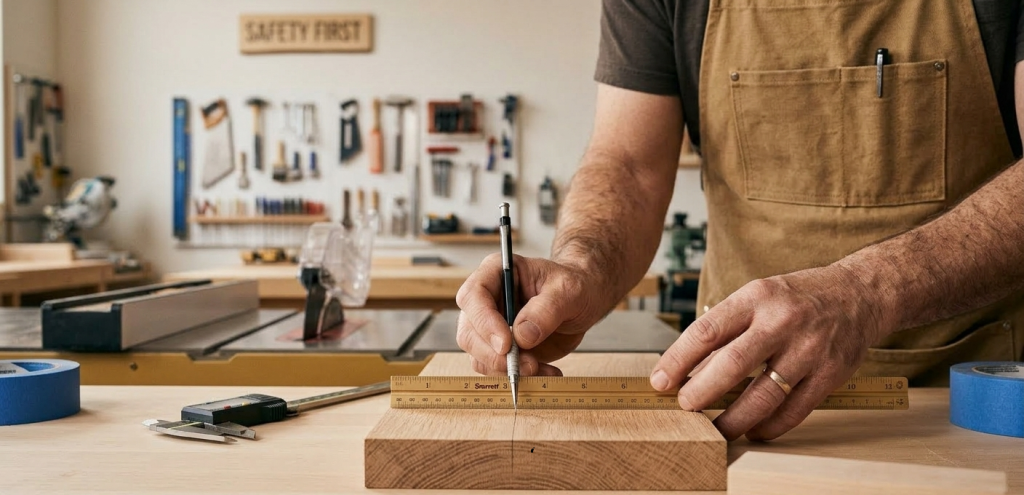
It is also helpful to develop a consistent marking system. For example, you can use symbols or arrows to indicate cutting lines and waste areas. This reduces confusion and helps you work more efficiently.
Taking a few extra seconds to measure and mark properly can save you from costly errors later.
The Importance of Sanding in Woodworking
Sanding is often overlooked by beginners, but it plays a major role in the final appearance of your project.
A well-sanded surface feels smooth and looks professional. On the other hand, poor sanding can ruin even the best-built project.
Start with coarse sandpaper to remove rough surfaces, then gradually move to finer grits. This step-by-step process ensures a smooth finish.
Always sand in the direction of the wood grain. Sanding against the grain can create scratches that are difficult to remove.
Additionally, take your time during sanding. Rushing this step often leads to uneven surfaces and visible imperfections.
How to Properly Assemble Wood Projects
Assembly is the stage where all your preparation comes together. Proper assembly ensures that your project is strong, stable, and well-aligned.
Before assembling, do a dry fit. This means putting the pieces together without glue or screws to check if everything fits correctly. This step helps you identify any issues before final assembly.
When using glue, apply it evenly but avoid using too much. Excess glue can create a mess and weaken the joint.
Clamping is also essential during assembly. Make sure the pieces are held firmly in place while the glue dries. However, avoid over-tightening, as this can damage the wood.
Taking your time during assembly ensures a cleaner and more professional result.
Common Woodworking Habits That Improve Quality
Developing good habits can make a big difference in your woodworking journey.
One important habit is cleaning your tools after each use. This keeps them in good condition and ready for the next project.
Another habit is organizing your workspace. A well-organized workspace allows you to work more efficiently and reduces stress.
It is also helpful to review your work regularly. Checking your progress at each stage helps you catch mistakes early and maintain quality.
Consistency in these habits will gradually improve your skills and results.
Budget-Friendly Woodworking Tips
Woodworking doesn’t have to be expensive. With the right approach, you can create great projects without spending too much money.
One way to save money is by using reclaimed wood. Old furniture, pallets, or leftover materials can be reused for new projects.
You can also start with basic tools instead of buying expensive equipment right away. Focus on learning the fundamentals before upgrading.
Another tip is to plan your projects carefully. Proper planning helps you avoid wasting materials and reduces costs.
Being resourceful and creative allows you to enjoy woodworking without breaking your budget.
How to Build Confidence in Woodworking
Confidence is something that develops over time. Many beginners doubt their abilities, especially when they make mistakes.
The key to building confidence is practice. The more you work on projects, the more comfortable you will become with tools and techniques.
Start with small and manageable projects. Completing simple tasks successfully boosts your confidence and motivates you to continue.
It is also important to accept mistakes as part of the learning process. Every error teaches you something valuable.
Surrounding yourself with learning resources and inspiration can also help you stay motivated and confident.
Creating a Simple Workflow for Every Project
Having a clear workflow makes woodworking more organized and efficient.
A simple workflow might include:
- Planning and design
- Measuring and marking
- Cutting
- Assembly
- Sanding and finishing
Following a consistent process helps you stay focused and reduces the chances of mistakes.
Over time, this workflow will become second nature, allowing you to work more confidently and efficiently.
Long-Term Growth in Woodworking Skills
Woodworking is not something you master overnight. It is a long-term skill that improves with time and dedication.
To grow consistently, set small goals for each project. For example, you might focus on improving your cutting accuracy or learning a new joinery technique.
Tracking your progress can also be helpful. Looking back at your previous projects shows how much you have improved.
It is also beneficial to challenge yourself occasionally. Trying slightly more complex projects pushes your skills to the next level.
Staying patient and committed is the key to long-term success in woodworking.
Final Encouragement
Every woodworking journey starts with simple steps. At first, things may feel difficult, and mistakes are inevitable. However, with consistent practice and the right mindset, you will gradually improve.
Remember that woodworking is not just about the final product. It is about the process of learning, creating, and enjoying your work.
By applying all the tips and tricks in this guide, you are already on the right path. Keep practicing, stay curious, and don’t be afraid to try new things.
Over time, you will develop the skills and confidence needed to create projects you can truly be proud of.
Conclusion
Woodworking is a skill that takes time, patience, and practice. While it may seem challenging at first, applying the right tips and tricks can make a big difference.
By using the right tools, following proper techniques, and avoiding common mistakes, you can improve your skills faster than you think.
Remember, every expert was once a beginner. Start small, stay consistent, and enjoy the process of creating something with your own hands.