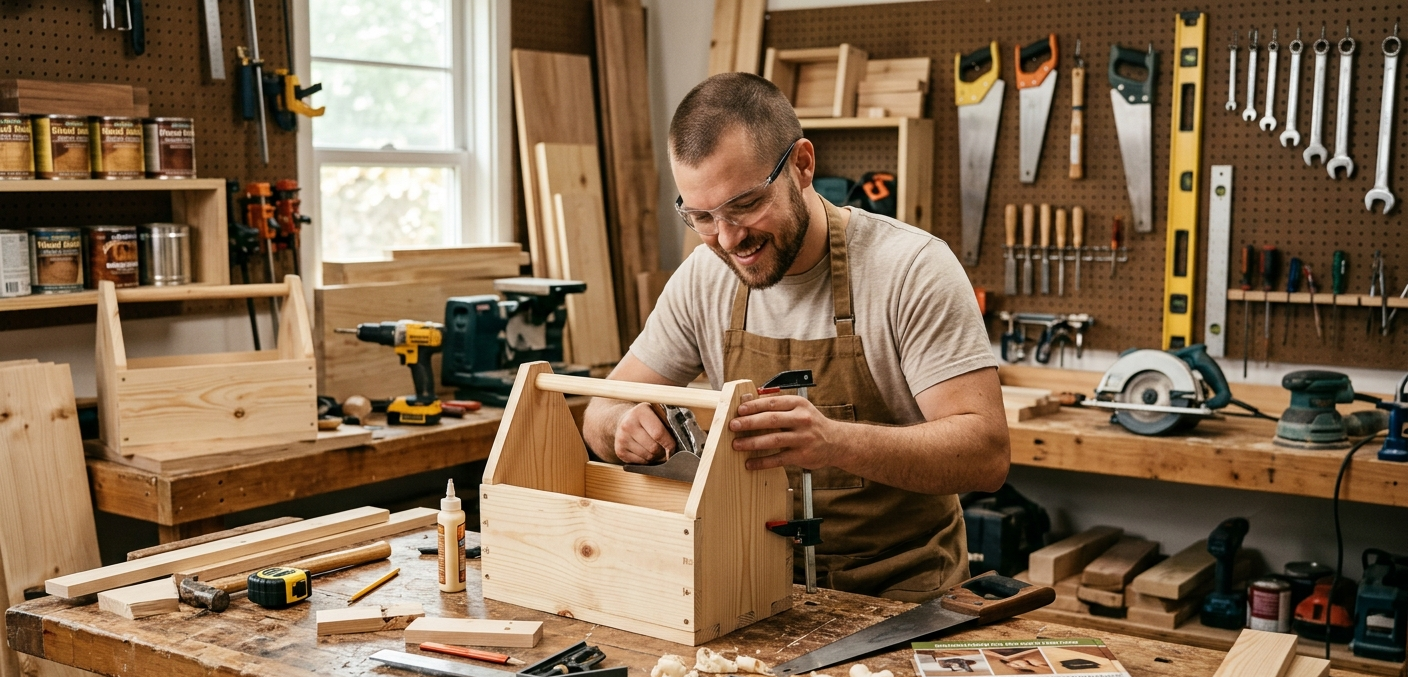
Woodworking projects are one of the most practical and rewarding ways to develop hands-on skills while creating useful and visually appealing items. In a world dominated by digital activities, woodworking provides a unique opportunity to work with physical materials, build something tangible, and develop craftsmanship that improves over time.
For many beginners, getting started with woodworking can feel overwhelming. There are numerous tools to understand, materials to choose from, and techniques to learn. Without proper guidance, it is easy to feel unsure about where to begin. However, the key to success in woodworking is not complexity, but consistency and progression.
By starting with simple woodworking projects and gradually moving toward more advanced builds, you can develop confidence, improve accuracy, and build a strong foundation. Each project you complete will teach you something new, whether it is measuring correctly, cutting precisely, or assembling components efficiently.
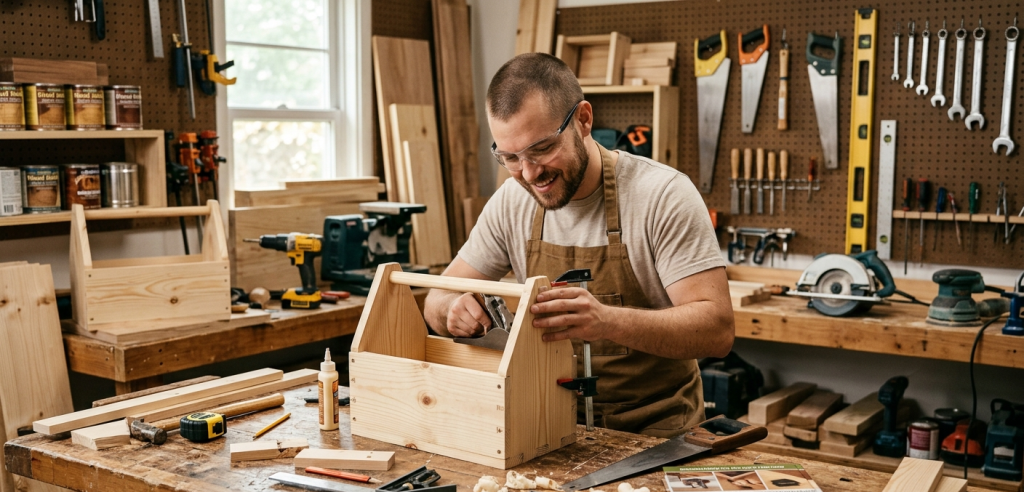
This guide presents 30 woodworking projects you can start today, carefully categorized into beginner, intermediate, and advanced levels. In addition to project ideas, this article also provides guidance on choosing the right project, preparing materials, managing time and budget, and improving your woodworking skills in a structured way.
Beginner Woodworking Projects
Beginner woodworking projects focus on simplicity and skill development. These projects are designed to help you understand the basics without requiring advanced tools or techniques.
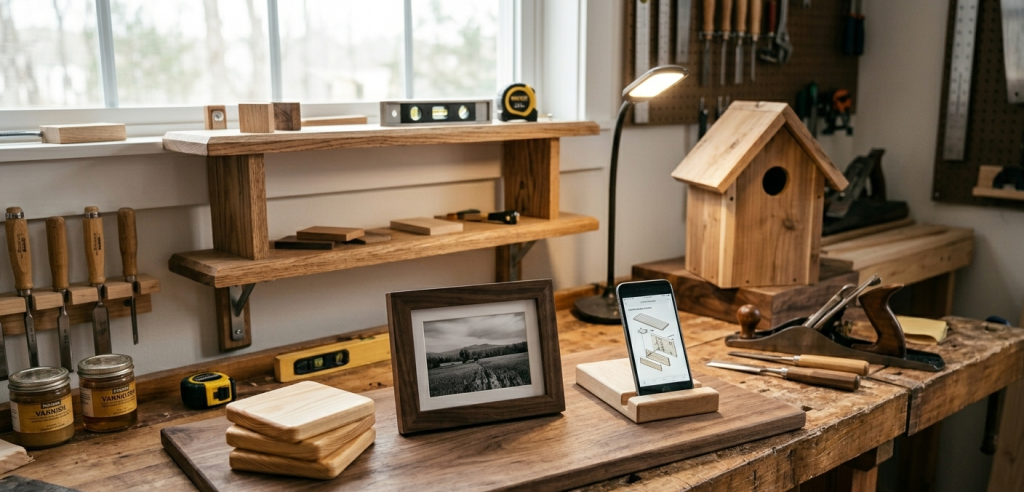
Wooden coasters are one of the easiest woodworking projects for beginners. They require minimal material and allow you to practice straight cuts and smooth sanding. This project also introduces finishing techniques such as applying oil or varnish, which are essential for protecting wood surfaces.
A simple wooden shelf is another excellent starting point. It teaches you how to measure accurately, drill properly, and mount securely. Even a basic shelf provides practical value, making the learning process more rewarding.
A picture frame is ideal for improving precision. It requires angled cuts and clean joints, helping you develop attention to detail. This project also highlights the importance of finishing for a professional look.
A wooden phone stand is a compact and practical project. It requires careful planning to ensure stability and usability. This project helps you understand how design affects function.
A birdhouse is a classic beginner project that introduces basic assembly techniques. It allows you to experiment with design while learning how to create a stable structure.
A wooden box is fundamental in woodworking. It teaches joinery basics and helps you understand alignment and structure. Even a simple box requires precision and planning.
Cutting boards are both practical and educational. They help you improve sanding and finishing skills while creating something useful for everyday use.
A key holder combines woodworking with hardware installation. It introduces screws, hooks, and wall mounting techniques, making it a functional home accessory.
A wooden candle holder allows for creativity while remaining simple. It is a great project for practicing drilling and shaping techniques.
A small stool is often the first step into furniture making. It introduces weight-bearing construction and requires stability and balance.
Intermediate Woodworking Projects
Intermediate woodworking projects require more precision and a better understanding of structure and design. These projects help you refine your skills and expand your capabilities.
A coffee table is a popular intermediate project because it combines design and functionality. It requires accurate measurements, strong joints, and a smooth finish. Completing this project significantly improves your confidence.
Bookshelves help you develop consistency. They involve repeated measurements and alignment, which are essential for producing professional-quality results.
A wooden bench introduces durability and load-bearing construction. It requires stronger joints and careful material selection to ensure long-term use.
Wall cabinets are more complex because they involve doors and hinges. This project helps you understand alignment and functionality in enclosed storage.
Desk organizers are smaller but detail-focused projects. They help refine precision and improve finishing quality.
Planter boxes are ideal for outdoor woodworking projects. They require weather-resistant materials and finishing techniques, teaching you how to protect wood from environmental conditions.
Wooden trays require smooth edges and balanced proportions. They are excellent for improving finishing skills and achieving a polished appearance.
A shoe rack is a functional project that involves multiple levels. It teaches structural planning and efficient use of space.
Nightstands often include drawers or compartments, making them slightly more advanced. This project improves both structural and detailed craftsmanship.
A tool storage rack helps organize your workspace. It allows you to design based on your needs while improving efficiency.
Advanced Woodworking Projects
Advanced woodworking projects require a high level of precision, experience, and planning. These projects challenge your skills and push you toward professional craftsmanship.
A dining table is a large and demanding project. It requires precise measurements, strong joints, and a durable finish. This project is a true test of your woodworking abilities.
Bed frames require structural strength and careful design. They must support weight while maintaining stability and aesthetics.
A wooden wardrobe introduces complex storage systems. It requires detailed planning and advanced joinery techniques.
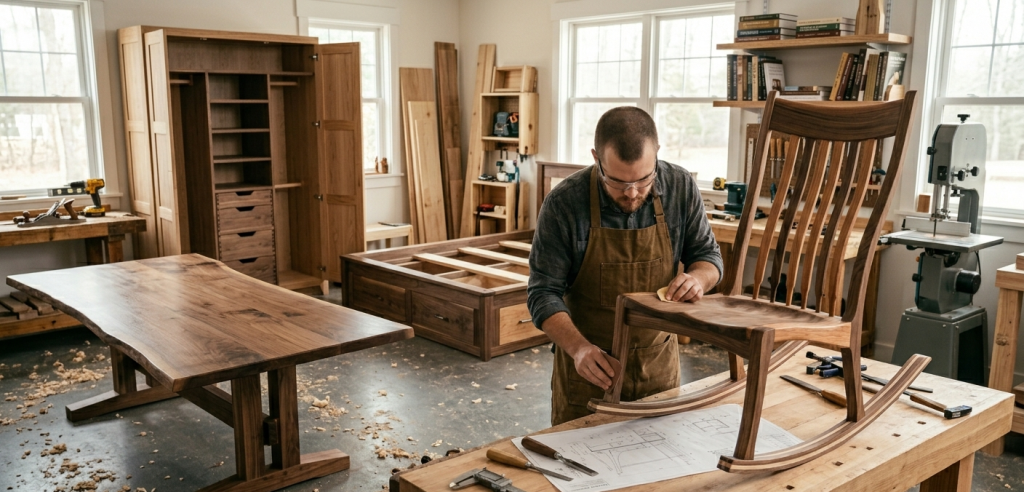
Rocking chairs are among the most challenging woodworking projects. They involve curved cuts and require a deep understanding of balance.
Kitchen cabinets are professional-level projects that demand precision and consistency. They involve multiple components that must fit perfectly together.
Wooden staircase components require exact measurements and structural accuracy. These projects must meet high safety standards.
Outdoor deck furniture must withstand weather conditions. This requires proper material selection and finishing techniques.
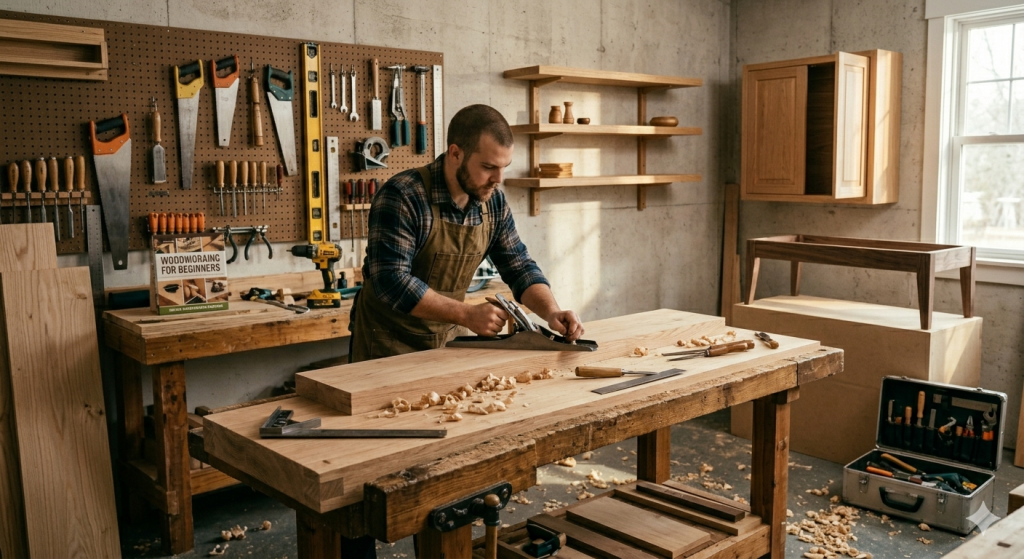
A custom workbench is essential for serious woodworkers. It should be strong, stable, and designed to support various tasks.
Wooden doors require precise alignment and joinery. They must fit perfectly while maintaining durability.
Decorative wood wall panels combine craftsmanship with interior design. These projects allow for creativity while maintaining technical precision.
How to Choose the Right Woodworking Projects
Choosing the right woodworking projects is essential for success. Starting with projects that match your skill level helps maintain motivation and reduces frustration.
Beginners should focus on simple projects that build foundational skills. Intermediate woodworkers can explore more complex designs, while advanced users can take on large-scale builds.
Functionality is also important. Projects that serve a purpose provide greater satisfaction and practical value.
Time and budget should be considered carefully. Some projects require significant investment, so planning ahead is essential.
Materials You Should Prepare
Selecting the right materials is crucial in woodworking. Softwood such as pine is ideal for beginners because it is easy to work with and affordable.
Hardwood such as oak or maple is stronger and more durable but requires more advanced tools and techniques.
Plywood is widely used due to its stability and versatility. It is suitable for many woodworking projects, especially furniture and storage.
Additional materials such as screws, nails, glue, and finishing products are also necessary. Proper preparation ensures a smoother workflow.
Estimated Time and Budget
Understanding the time and cost involved in woodworking projects helps you plan effectively. Beginner projects are usually quick and inexpensive.
Intermediate projects require more time and better tools. They may take several days to complete.
Advanced woodworking projects can take weeks or months. They require significant investment and careful planning.
Managing your budget is important. Starting small and gradually upgrading your tools is the best approach.
Essential Tools for Woodworking Projects
Having the right tools is essential for success. Beginners can start with basic hand tools such as saws, hammers, and chisels.
Power tools such as drills and sanders improve efficiency and precision. They are valuable investments for long-term use.
Safety equipment should always be a priority. Protective gear helps prevent injuries and ensures a safe working environment.
Common Mistakes to Avoid
Avoiding common mistakes can improve your woodworking experience. Inaccurate measurements are one of the most common errors.
Using the wrong tools reduces efficiency and affects quality. Maintaining your tools is essential.
Ignoring safety procedures can lead to injuries. Always prioritize safety.
Rushing projects often results in poor outcomes. Patience is key to achieving high-quality results.
Benefits of Woodworking Projects
Woodworking projects offer many benefits. They help develop practical skills, creativity, and problem-solving abilities.
They can also reduce costs by allowing you to build your own furniture.
Completing projects provides a sense of accomplishment and builds confidence.
Woodworking can even become a business opportunity through custom products.
How to Improve Your Woodworking Skills
Improving your skills requires consistent practice. Working on different woodworking projects helps you gain experience.
Learning from tutorials and experienced craftsmen can accelerate your progress.
Reviewing your work helps identify mistakes and improve future results.
Upgrading tools gradually improves efficiency.
Consistency and planning are essential for long-term improvement.
Advanced Tips to Maximize Your Woodworking Projects
To get the best results from your woodworking projects, it is important to focus not only on execution but also on efficiency and long-term improvement. Many beginners concentrate solely on completing a project, but experienced woodworkers understand that refining the process is equally important.
One effective strategy is to standardize your workflow. This includes preparing tools before starting, organizing materials based on usage, and following a consistent sequence such as measuring, cutting, assembling, and finishing. A structured workflow reduces mistakes and improves overall productivity.
Another key factor is precision. Even small inaccuracies in measurement or cutting can affect the final result. Using guides, clamps, and measuring tools properly will significantly improve consistency across your projects. Over time, this attention to detail becomes a habit that defines high-quality craftsmanship.
It is also beneficial to document your work. Taking notes about materials, measurements, and finishing techniques allows you to replicate successful projects and avoid repeating mistakes. This is especially useful if you plan to turn woodworking projects into a business.
Finally, continuous improvement should always be your goal. Each project should teach you something new, whether it is a better cutting technique, a more efficient assembly method, or a cleaner finishing approach. By focusing on improvement rather than perfection, you will develop stronger skills and achieve better results with every project you complete.
Conclusion
Woodworking projects provide a clear and structured path for developing valuable skills. By starting with simple projects and progressing to more advanced builds, you can build confidence and expertise over time.
The 30 woodworking projects in this guide offer a practical roadmap for beginners and experienced woodworkers alike. With proper planning, the right tools, and consistent practice, you can achieve high-quality results and enjoy the full benefits of woodworking.
Additional Woodworking Project Ideas and Practical Applications
Beyond the core 30 woodworking projects listed above, it is important to understand that woodworking is not limited to predefined ideas. One of the greatest advantages of working on woodworking projects is the flexibility to adapt designs based on your needs, creativity, and available materials.
For example, once you have built a simple wooden shelf, you can modify the design into a multi-level storage system or combine it with a cabinet structure. Similarly, a basic wooden box can evolve into a drawer system or a decorative storage unit. This adaptability is what makes woodworking projects highly valuable for long-term skill development.
Another important aspect is the ability to customize your projects. Unlike mass-produced furniture, woodworking allows you to create items that match your exact preferences in size, design, and finish. This level of customization is especially useful for homeowners who want unique interior elements.
Woodworking Projects That Can Generate Income
As your skills improve, woodworking projects can become more than just a hobby. Many woodworkers turn their skills into profitable opportunities by creating products that are in demand.
Small woodworking projects such as cutting boards, wooden trays, and home decor items are highly marketable because they are affordable and widely used. These items are often sold through online marketplaces or local craft fairs.
Furniture projects such as coffee tables, benches, and shelves also have strong market potential. Customers are often willing to pay more for handmade furniture due to its uniqueness and quality.
Custom woodworking projects offer even greater opportunities. By taking custom orders, you can create personalized items tailored to specific customer needs. This not only increases the value of your work but also helps build a strong reputation.
Consistency, quality, and attention to detail are key factors in turning woodworking projects into a reliable source of income.
Workspace Setup for Efficient Woodworking Projects
An efficient workspace is essential for completing woodworking projects effectively. Even simple projects can become difficult if your workspace is disorganized or lacks proper lighting.
Start by ensuring that your workspace has a stable work surface. A sturdy table or workbench provides the foundation for accurate cutting and assembly.
Proper lighting is also important. Good visibility helps you work more precisely and reduces the risk of mistakes.
Tool organization plays a significant role in efficiency. Keeping your tools arranged and easily accessible saves time and improves workflow.
Ventilation should not be overlooked, especially when working with finishes or power tools. A well-ventilated space ensures a safer and more comfortable working environment.
Finishing Techniques for Better Results
Finishing is one of the most important steps in woodworking projects. It not only enhances the appearance of the wood but also protects it from damage.
Sanding is the first step in finishing. A smooth surface ensures that the finish is applied evenly and looks professional.
There are several finishing options available, including paint, varnish, oil, and stain. Each option provides a different look and level of protection.
Oil finishes are popular for their natural appearance, while varnishes provide stronger protection. Paint is often used for decorative purposes and allows for greater customization.
Applying multiple coats and allowing proper drying time improves durability and overall quality.
Understanding Wood Behavior
One of the most overlooked aspects of woodworking projects is understanding how wood behaves. Wood is a natural material that expands and contracts based on humidity and temperature.
Ignoring this behavior can lead to cracks, warping, or joint failure over time. This is especially important for larger or outdoor projects.
To minimize these issues, it is important to select properly dried wood and allow it to acclimate to your workspace before use.
Using the correct joinery techniques also helps accommodate natural movement, ensuring long-term durability.
Planning and Designing Your Own Projects
As you gain experience, you will likely want to design your own woodworking projects. This is where creativity and technical skill come together.
Start by sketching your ideas on paper or using simple design software. This helps you visualize the final product and identify potential issues.
Accurate measurements are essential during the planning stage. Even small errors can affect the final result.
Material selection should also be considered during the design phase. Different types of wood can affect both appearance and durability.
Planning ahead reduces mistakes, saves time, and improves the overall quality of your work.
Long-Term Skill Development in Woodworking
Woodworking is a skill that improves over time through consistent practice. Each project you complete contributes to your overall experience and understanding.
One effective way to improve is to gradually increase project complexity. Start with simple builds, then move on to furniture and advanced designs.
Learning new techniques is also important. This can include advanced joinery, carving, or finishing methods.
Observing experienced woodworkers and studying their techniques can provide valuable insights.
Most importantly, patience and persistence are essential. Progress may be slow at first, but consistent effort leads to significant improvement over time.
Final Thoughts
Woodworking projects offer endless opportunities for creativity, skill development, and practical application. Whether you are building simple household items or complex furniture, each project helps you grow as a craftsman.
By focusing on proper techniques, careful planning, and continuous learning, you can achieve professional-quality results. Over time, woodworking can become not only a fulfilling hobby but also a valuable skill with real-world applications.
The journey begins with a single project. With dedication and consistency, there is no limit to what you can create.